
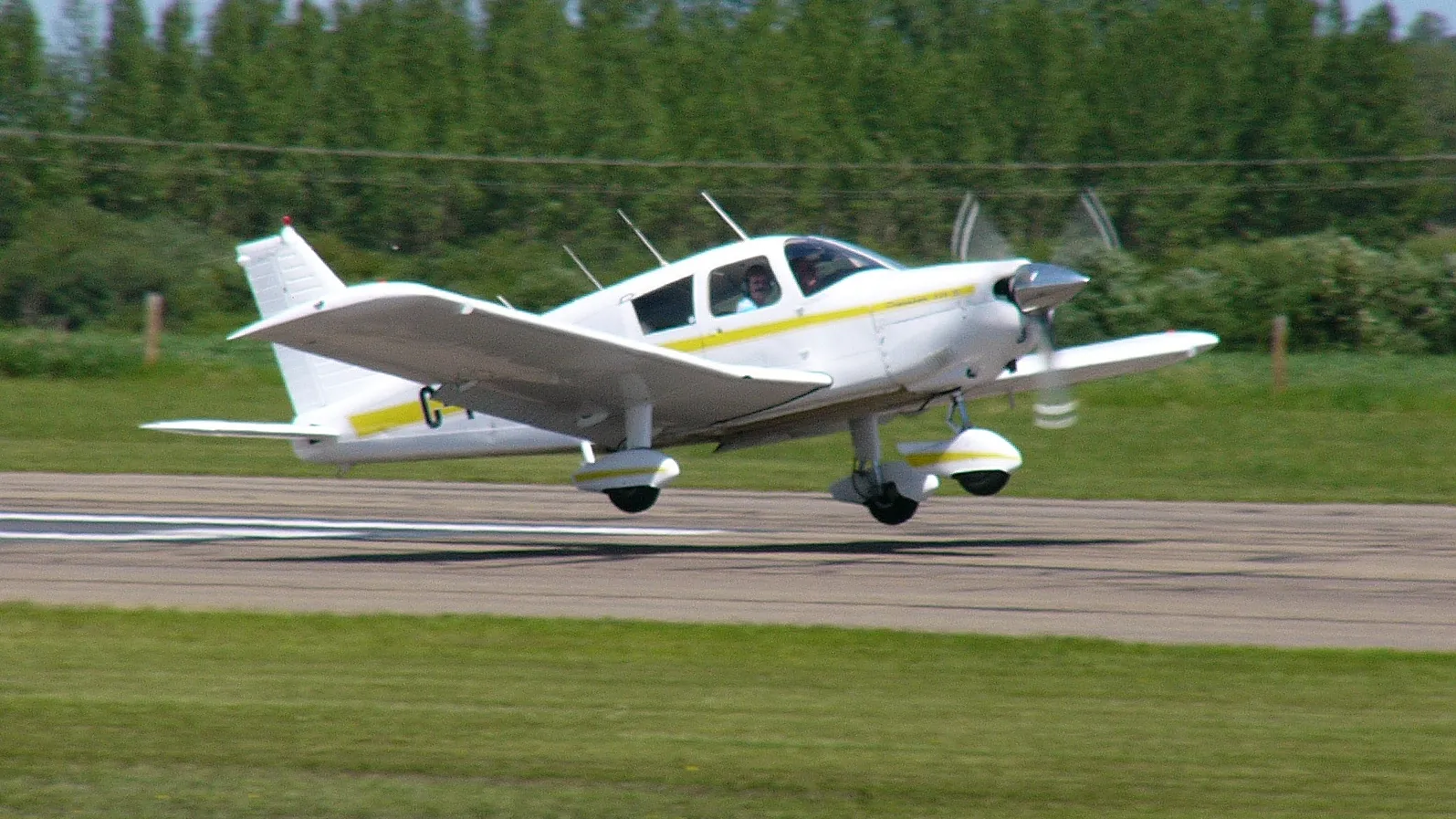
A used Piper Cherokee 140 or 160 asks a median of $70,000 in our sample. The last price we can find from Piper for a new Archer LX, in its 2019 price guide, was $389,000. That is 18% of the new price, for an airplane from the same family.
The PA-28 is the quiet giant of American training and personal flying. Registered aircraft in the family run to 18,634, and the great majority were built long before the current Archer: 81.1% of those with a usable build year date from the 1960s or 1970s. The price of a PA-28 depends on which decade and which model you mean, and the spread is wide.
What follows walks down the price curve, then looks at the family tree, who owns the fleet, what the airplane costs to run and what the NTSB accident files record. Every figure comes from a named public source or a dated sample, and the sources are listed at the end.
Data used: FAA fleet through 2026-10-12; NTSB file through 2026-09-30; asking-price sample 2026-10-14.
What a new Piper costs, and why this one is hard to pin down
Piper still builds the Archer, and its price guide for the Archer LX in 2019 listed the airplane at $389,000. We could not find a current Piper list price: the 2026 Archer brochure we retrieved carries no price, and the maker's other model pages do not publish one. So the $389,000 is a dated reference point, not today's quote. A new Archer today will cost more, by an amount only a dealer can tell you.
The Archer, the PA-28-181, has a 180 hp Lycoming O-360-A4M, a maximum takeoff weight of 2,550 lb and 50.0 US gal of fuel in total, according to the FAA type certificate data sheet. The same sheet covers every PA-28 back to 1960.
A Cherokee and an Arrow are very different prices
We gathered 104 Piper listings from one marketplace on 14 October 2026, and 92 of them carried a usable asking price. Their medians sort the family into price tiers. There is no current list price to anchor the chart, so the gold bar is the dated 2019 Archer LX price.
The gold bar is the 2019 Piper price for an Archer LX, not a current list price. Teal bars are medians of asking prices. Groups with fewer than 5 priced listings are left out.



The retractable Arrows split into two price planets. The later Arrow III and IV ask a median of $200,000, 1.8 times the $110,500 for the Arrow and Arrow II, and the turbocharged Arrows sit between them at $179,000. Asking prices for the later Arrows run from $85,000 to $411,000.
The fixed-gear airplanes cost less. The Archer group asks $127,500 and the Warrior group $117,000. The Cherokee 180 asks $90,000 and the Cherokee 140 and 160 group $70,000, the cheapest tier in the sample.
The median Archer in our sample has flown 8,622 airframe hours. The median Turbo Arrow has flown 3,632.
Those are airframe hours, not engine hours. Training aircraft fly a lot, and an Archer with that kind of airframe time may have seen more than one engine. The listings do not say, so ask.
The newest Archers are a separate story. The 3 Archer III listings ask $239,000 to $325,000, below the $389,000 Piper asked for a new Archer LX in 2019. Three listings are too few for a median or for a conclusion, so read the range as a hint.
One caution covers this whole section. It is one marketplace on one day, with 92 priced listings after we set aside 11 with no price and 1 placeholder price. These are asking prices, not sales, and no individual listing is published. Prices were recorded to the nearest 1,000 dollars.
For the wider market, our guide to what a small plane costs puts the PA-28 in context. A cheaper two-seat trainer is covered in what a Cessna 152 costs, and the most common four-seat rival is covered in what a Cessna 172 Skyhawk costs.
Show the asking-price table
| Model or band | Listings | Asking median (USD) | Asking range (USD) | Median total time (hours) | Sample years |
|---|---|---|---|---|---|
| Cherokee 140 and 160 | 13 | $70,000 | $58,000 to $125,000 | 5,485 | 1961 to 1976 |
| Cherokee 180 | 13 | $90,000 | $65,000 to $129,000 | 4,868 | 1966 to 1974 |
| Cherokee 235 and Charger 235 | 3 | Range only | $103,000 to $160,000 | Not shown | 1967 to 1973 |
| Archer and Archer II | 10 | $127,500 | $94,000 to $180,000 | 8,622 | 1974 to 1981 |
| Archer III | 3 | Range only | $239,000 to $325,000 | Not shown | 1997 to 2010 |
| Warrior and Warrior II | 11 | $117,000 | $65,000 to $126,000 | 5,401 | 1974 to 1981 |
| Warrior III | 1 | Range only | $99,000 | Not shown | 2000 |
| Arrow and Arrow II | 12 | $110,500 | $60,000 to $180,000 | 5,887 | 1967 to 1976 |
| Arrow III and Arrow IV | 13 | $200,000 | $85,000 to $411,000 | 4,555 | 1977 to 2014 |
| Turbo Arrow, Turbo Arrow III and Turbo Arrow IV | 11 | $179,000 | $90,000 to $395,000 | 3,632 | 1977 to 1984 |
| Dakota | 2 | Range only | $199,000 to $210,000 | Not shown | 1983 to 1985 |
PA-28 is a number, not a model
The PA-28 was first certified in 1960, and the FAA's type certificate data sheet runs through Cherokees, Archers, Warriors, Arrows and the more powerful Dakota under one number. Six rows tell most of the story. For where the Cherokee sits among the rest, the guide to the main types of planes helps.
- 150 hp, Lycoming
- 1,950 lb maximum takeoff weight
- 50.0 US gal total fuel
- 180 hp, Lycoming
- 2,400 lb maximum takeoff weight
- 50.0 US gal total fuel
- 160 hp, Lycoming
- 2,325 lb maximum takeoff weight
- 50.0 US gal total fuel
- 180 hp, Lycoming
- 2,550 lb maximum takeoff weight
- 50.0 US gal total fuel
- 200 hp, Lycoming, retractable gear
- 2,600 lb maximum takeoff weight
- 50.0 US gal total fuel
- 235 hp, Lycoming
- 3,000 lb maximum takeoff weight
- 77.0 US gal total fuel
From the lightest to the heaviest base model the sheet adds 85 hp and 1,050 lb of maximum takeoff weight. The light end is the PA-28-140 at 1,950 lb. The heavy end is the PA-28-236 at 3,000 lb, a four-seater with a 235 hp engine.
The Piper family also holds the Turbo Arrow, whose Continental TSIO-360-FB makes it the odd engine in a Lycoming line-up. If you are weighing it against a Cirrus, our guide to what a Cirrus SR22 costs covers the next step up, and for the maker's wider range see what Piper aircraft cost.
Show the full model comparison table
| Model and approval year | Certified specification | Ownership context |
|---|---|---|
| PA-28-160Approved: 1960 FAA sheet | Lycoming O-320-B2B or O-320-D2A 160 hpMaximum takeoff weight: 2,200 lbFuel, total / usable: 50.0 US gal / The FAA sheet does not establish usable fuel capacity in gallons.Seating: 4 seats | Registered: 253 all registrations; 246 valid (status V)Asking median: Not shown for this designationPrimary engine TBO: 2,600 hours first cycle; 2,000 hours after overhaul 2,600 hours first cycle; 2,000 hours after overhaul |
| PA-28-150Approved: 1961 FAA sheet | Lycoming O-320-A2B or O-320-E2A 150 hpMaximum takeoff weight: 2,150 lbFuel, total / usable: 50.0 US gal / The FAA sheet does not establish usable fuel capacity in gallons.Seating: 4 seats | Registered: 122 all registrations; 119 valid (status V)Asking median: Not shown for this designationPrimary engine TBO: 2,600 hours first cycle; 2,000 hours after overhaul 2,600 hours first cycle; 2,000 hours after overhaul |
| PA-28-180Approved: 1962 FAA sheet | Lycoming O-360-A3A or O-360-A4A 180 hpMaximum takeoff weight: 2,400 lbFuel, total / usable: 50.0 US gal / The FAA sheet does not establish usable fuel capacity in gallons.Seating: 4 seats | Registered: 3,505 all registrations; 3,451 valid (status V)Asking median: Not shown for this designationPrimary engine TBO: 2,600 hours first cycle; 2,000 hours after overhaul 2,600 hours first cycle; 2,000 hours after overhaul |
| PA-28S-160Approved: 1963 FAA sheet | Lycoming O-320-D2A 160 hpMaximum takeoff weight: 2,140 lbFuel, total / usable: 50.0 US gal / The FAA sheet does not establish usable fuel capacity in gallons.Seating: 4 seats | Registered: 0 all registrations; 0 valid (status V) No matching registration in this snapshotAsking median: Not shown for this designationPrimary engine TBO: 2,600 hours first cycle; 2,000 hours after overhaul |
| PA-28S-180Approved: 1963 FAA sheet | Lycoming O-360-A3A or O-360-A4A 180 hpMaximum takeoff weight: 2,222 lbFuel, total / usable: 50.0 US gal / The FAA sheet does not establish usable fuel capacity in gallons.Seating: 4 seats | Registered: 1 all registrations; 1 valid (status V)Asking median: Not shown for this designationPrimary engine TBO: 2,600 hours first cycle; 2,000 hours after overhaul 2,600 hours first cycle; 2,000 hours after overhaul |
| PA-28-235Approved: 1963 FAA sheet | Lycoming O-540-B2B5 or O-540-B1B5 or O-540-B4B5 235 hpMaximum takeoff weight: 2,900 lbFuel, total / usable: 84.0 US gal / The FAA sheet does not establish usable fuel capacity in gallons.Seating: 4 seats | Registered: 860 all registrations; 846 valid (status V)Asking median: Not shown for this designationPrimary engine TBO: 2,600 hours first cycle; 2,000 hours after overhaul 2,600 hours first cycle; 2,000 hours after overhaul 2,600 hours first cycle; 2,000 hours after overhaul |
| PA-28-140Approved: 1964 FAA sheet | Lycoming O-320-E2A or O-320-E3D 150 hpMaximum takeoff weight: 1,950 lbFuel, total / usable: 50.0 US gal / The FAA sheet does not establish usable fuel capacity in gallons.Seating: 2 seats | Registered: 4,259 all registrations; 4,155 valid (status V)Asking median: Not shown for this designationPrimary engine TBO: 2,600 hours first cycle; 2,000 hours after overhaul 2,600 hours first cycle; 2,000 hours after overhaul |
| PA-28R-180Approved: 1967 FAA sheet | Lycoming IO-360-B1E 180 hpMaximum takeoff weight: 2,500 lbFuel, total / usable: 50.0 US gal / The FAA sheet does not establish usable fuel capacity in gallons.Seating: 4 seats | Registered: 535 all registrations; 527 valid (status V)Asking median: Not shown for this designationPrimary engine TBO: 2,600 hours first cycle; 2,000 hours after overhaul |
| PA-28R-200Approved: 1969 FAA sheet | Lycoming IO-360-C1C 200 hpMaximum takeoff weight: 2,600 lbFuel, total / usable: 50.0 US gal / The FAA sheet does not establish usable fuel capacity in gallons.Seating: 4 seats | Registered: 1,223 all registrations; 1,204 valid (status V)Asking median: Not shown for this designationPrimary engine TBO: 2,600 hours first cycle; 2,000 hours after overhaul |
| PA-28-151Approved: 1973 FAA sheet | Lycoming O-320-E3D 150 hpMaximum takeoff weight: 2,325 lbFuel, total / usable: 50.0 US gal / The FAA sheet does not establish usable fuel capacity in gallons.Seating: 4 seats | Registered: 960 all registrations; 942 valid (status V)Asking median: Not shown for this designationPrimary engine TBO: 2,600 hours first cycle; 2,000 hours after overhaul |
| PA-28-181Approved: 1975 FAA sheet | Lycoming O-360-A4M or O-360-A4A 180 hpMaximum takeoff weight: 2,550 lbFuel, total / usable: 50.0 US gal / The FAA sheet does not establish usable fuel capacity in gallons.Seating: 4 seats | Registered: 3,563 all registrations; 3,437 valid (status V)Asking median: Not shown for this designationPrimary engine TBO: 2,600 hours first cycle; 2,000 hours after overhaul 2,600 hours first cycle; 2,000 hours after overhaul |
| PA-28-161Approved: 1976 FAA sheet | Lycoming O-320-D3G or O-320-D2A 160 hpMaximum takeoff weight: 2,325 lbFuel, total / usable: 50.0 US gal / The FAA sheet does not establish usable fuel capacity in gallons.Seating: 4 seats | Registered: 1,541 all registrations; 1,515 valid (status V)Asking median: Not shown for this designationPrimary engine TBO: 2,600 hours first cycle; 2,000 hours after overhaul 2,600 hours first cycle; 2,000 hours after overhaul |
| PA-28R-201Approved: 1976 FAA sheet | Lycoming IO-360-C1C6 200 hpMaximum takeoff weight: 2,750 lbFuel, total / usable: 77.0 US gal / The FAA sheet does not establish usable fuel capacity in gallons.Seating: 4 seats | Registered: 352 all registrations; 347 valid (status V)Asking median: Not shown for this designationPrimary engine TBO: 2,600 hours first cycle; 2,000 hours after overhaul |
| PA-28R-201TApproved: 1976 FAA sheet | Continental TSIO-360-F or TSIO-360-FB 200 hpMaximum takeoff weight: 2,900 lbFuel, total / usable: 77.0 US gal / The FAA sheet does not establish usable fuel capacity in gallons.Seating: 4 seats | Registered: 368 all registrations; 363 valid (status V)Asking median: Not shown for this designationPrimary engine TBO: No applicable primary schedule retrieved |
| PA-28-236Approved: 1978 FAA sheet | Lycoming O-540-J3A5D 235 hpMaximum takeoff weight: 3,000 lbFuel, total / usable: 77.0 US gal / The FAA sheet does not establish usable fuel capacity in gallons.Seating: 4 seats | Registered: 480 all registrations; 477 valid (status V)Asking median: Not shown for this designationPrimary engine TBO: 2,600 hours first cycle; 2,000 hours after overhaul |
| PA-28RT-201Approved: 1978 FAA sheet | Lycoming IO-360-C1C6 200 hpMaximum takeoff weight: 2,750 lbFuel, total / usable: 77.0 US gal / The FAA sheet does not establish usable fuel capacity in gallons.Seating: 4 seats | Registered: 178 all registrations; 178 valid (status V)Asking median: Not shown for this designationPrimary engine TBO: 2,600 hours first cycle; 2,000 hours after overhaul |
| PA-28RT-201TApproved: 1978 FAA sheet | Continental TSIO-360-FB 200 hpMaximum takeoff weight: 2,900 lbFuel, total / usable: 77.0 US gal / The FAA sheet does not establish usable fuel capacity in gallons.Seating: 4 seats | Registered: 255 all registrations; 254 valid (status V)Asking median: Not shown for this designationPrimary engine TBO: No applicable primary schedule retrieved |
| PA-28-201TApproved: 1978 FAA sheet | Continental TSIO-360-FB 200 hpMaximum takeoff weight: 2,900 lbFuel, total / usable: 77.0 US gal / The FAA sheet does not establish usable fuel capacity in gallons.Seating: 4 seats | Registered: 62 all registrations; 62 valid (status V)Asking median: Not shown for this designationPrimary engine TBO: No applicable primary schedule retrieved |
A fleet built in the sixties and seventies
The FAA register lists 18,634 aircraft in the PA-28 family, and 18,238 of them (97.9%) hold a valid registration, while 396 carry another status. Of the whole family, 16,052 records have a usable build year, and 15,768 of those are valid. That counts paperwork, not airplanes in the air: a valid registration says nothing about whether the aircraft is airworthy or flying.
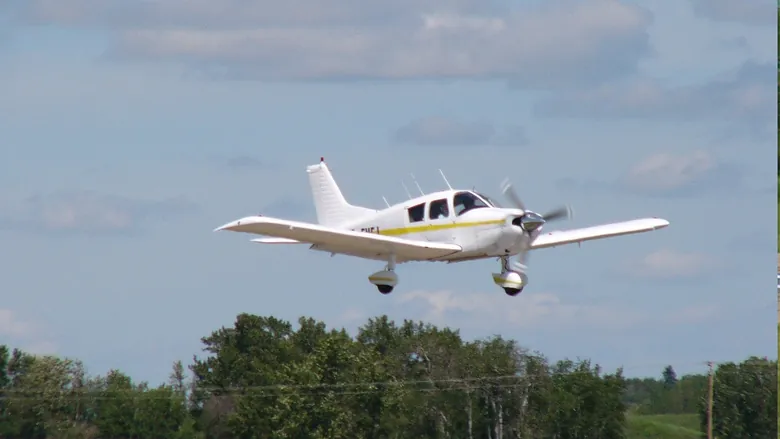
The most common label on the register is the PA-28-140, with 4,259 records (22.9%). The PA-28-181 Archer follows with 3,563, then the PA-28-180 with 3,505 and the PA-28-161 Warrior with 1,541. The Arrow, the PA-28R-200, has 1,223.
- 6,1111960s
- 6,9141970s
- 1,1291980s
- 2081990s
- 3472000s
- 4652010s
- 8782020s
2,582 records have a blank or invalid build year and are left out of the chart.
43.1% of the registered PA-28 aircraft with a usable build year were built in the 1970s.
The 1970s account for 6,914 aircraft and the 1960s for 6,111. The register thins sharply after that, with 1,129 aircraft from the 1980s and only 208 from the 1990s. Production recovers later: the 2010s total of 465 beats the 2000s, and the 2020s already stand at 878, more than the whole of the 2010s.
Individuals hold the most registrations, at 43.0%. LLCs follow at 28.0%, then corporations at 13.6% and co-owned aircraft at 10.9%. The registry records the owner category, not how the airplane is used, so a flying school or a club can sit in any of those columns.
Florida (9.1%), Texas (8.1%) and California (8.0%) lead the state table, with Florida 185 ahead of Texas. Fourth place is Delaware, with 657 registrations (3.5%). That is a registration-address effect, because LLC and trust registrations can carry a Delaware address. It says nothing about where those aircraft fly.
Download the fleet CSV by model and build year. Free to use, please link back. It counts all registrations and valid ones (status V) by model label and build year, including blank years, and contains no personal records.
Show the fleet tables
| Group | All registrations | Valid (status V) | Share of all registrations |
|---|---|---|---|
| Unusual PA-28 suffixes, certified identities unresolved | 0 | 0 | 0.0% |
| PA-28 registry designations | 15,722 | 15,364 | 84.4% |
| PA-28R registry designations | 2,478 | 2,441 | 13.3% |
| PA-28S registry designations | 1 | 1 | 0.0% |
| PA-28RT registry designations | 433 | 432 | 2.3% |
| Model label | All registrations | Valid (status V) |
|---|---|---|
| PA-28-140 | 4,259 | 4,155 |
| PA-28-181 | 3,563 | 3,437 |
| PA-28-180 | 3,505 | 3,451 |
| PA-28-161 | 1,541 | 1,515 |
| PA-28R-200 | 1,223 | 1,204 |
| PA-28-151 | 960 | 942 |
| PA-28-235 | 860 | 846 |
| PA-28R-180 | 535 | 527 |
| PA-28-236 | 480 | 477 |
| PA-28R-201T | 368 | 363 |
| PA-28R-201 | 352 | 347 |
| PA-28RT-201T | 255 | 254 |
| PA-28-160 | 253 | 246 |
| PA-28RT-201 | 178 | 178 |
| PA-28-150 | 122 | 119 |
| PA-28 | 117 | 114 |
| PA-28-201T | 62 | 62 |
| PA-28S-180 | 1 | 1 |
| Build decade | All registrations | Share of known years | Valid (status V) | Valid share of known years |
|---|---|---|---|---|
| 1960s | 6,111 | 38.1% | 5,992 | 38.0% |
| 1970s | 6,914 | 43.1% | 6,821 | 43.3% |
| 1980s | 1,129 | 7.0% | 1,118 | 7.1% |
| 1990s | 208 | 1.3% | 208 | 1.3% |
| 2000s | 347 | 2.2% | 343 | 2.2% |
| 2010s | 465 | 2.9% | 465 | 2.9% |
| 2020s | 878 | 5.5% | 821 | 5.2% |
| FAA code | Registrant type | All registrations | Valid (status V) | Share of all registrations |
|---|---|---|---|---|
| 1 | Individual | 8,008 | 7,739 | 43.0% |
| 2 | Partnership | 224 | 224 | 1.2% |
| 3 | Corporation | 2,528 | 2,524 | 13.6% |
| 4 | Co-Owned | 2,035 | 2,035 | 10.9% |
| 5 | Government | 397 | 397 | 2.1% |
| 7 | LLC | 5,220 | 5,220 | 28.0% |
| 8 | Non Citizen Corporation | 216 | 99 | 1.2% |
| 9 | Non Citizen Co-Owned | 1 | 0 | 0.0% |
| unknown | Missing or unlisted registrant type | 5 | 0 | 0.0% |
| State | All registrations | Valid (status V) | Share of all registrations |
|---|---|---|---|
| FL | 1,698 | 1,555 | 9.1% |
| TX | 1,513 | 1,472 | 8.1% |
| CA | 1,488 | 1,466 | 8.0% |
| DE | 657 | 651 | 3.5% |
| AZ | 619 | 611 | 3.3% |
| PA | 604 | 602 | 3.2% |
| GA | 586 | 571 | 3.1% |
| OH | 572 | 566 | 3.1% |
| NC | 560 | 554 | 3.0% |
| NY | 525 | 520 | 2.8% |
Show every exact FAA model label
| Model label | All registrations | Valid (status V) |
|---|---|---|
| PA-28-140 | 4,259 | 4,155 |
| PA-28-181 | 3,563 | 3,437 |
| PA-28-180 | 3,505 | 3,451 |
| PA-28-161 | 1,541 | 1,515 |
| PA-28R-200 | 1,223 | 1,204 |
| PA-28-151 | 960 | 942 |
| PA-28-235 | 860 | 846 |
| PA-28R-180 | 535 | 527 |
| PA-28-236 | 480 | 477 |
| PA-28R-201T | 368 | 363 |
| PA-28R-201 | 352 | 347 |
| PA-28RT-201T | 255 | 254 |
| PA-28-160 | 253 | 246 |
| PA-28RT-201 | 178 | 178 |
| PA-28-150 | 122 | 119 |
| PA-28 | 117 | 114 |
| PA-28-201T | 62 | 62 |
| PA-28S-180 | 1 | 1 |
| Total | 18,634 | 18,238 |
The list price is only the entry fee
After the purchase the airplane wants fuel, an engine fund, an annual inspection, insurance and somewhere to sleep. Only some of those have a published number worth printing.
Fuel
Plane and Pilot's specification table for the 2004 PA-28-181 gives 10 US gal/hour at 75 percent power, 9 US gal/hour at 65 percent and 8 US gal/hour at 55 percent. The publisher marks those figures as estimates. It is one Archer from one model year, not the whole family, so the calculator leaves fuel burn for you to fill in for your own airplane.
Turn the burn into money with your own fuel price. At an example $6.00 a gallon, that Archer burns $60.00 of fuel an hour at 75 percent power. At $9.00 it is $90.00. Those prices are examples chosen to show the arithmetic, not market data.
The engine
Lycoming's service instruction covers the engines in almost every fixed-gear PA-28, including the O-360-A4M in the Archer. It allows 2,600 hours for the first run after factory-new or factory-rebuilt delivery, 2,000 hours after an overhaul and, separately, a limit of 12 calendar years. The instruction carries conditions, and the engine's history and configuration decide which line applies, so read it before relying on the headline. The Turbo Arrow's Continental is not covered, because Continental's current overhaul schedule sits behind an account login we could not use.
To turn an interval into a monthly reserve, divide your overhaul quote by the hours. We have not invented a quote for you. Overhaul prices swing with the shop, the engine's condition and what gets replaced. The engine is the line item that arrives all at once.
The rest
The FAA describes an annual inspection interval of 12 calendar months for ordinary US personal aircraft ownership. Insurance, hangar or tie-down fees, labour rates and loan terms depend too much on the owner, the airfield and the airplane for one published number to mean anything, so this page prints none. Add your own quotes to the fuel and engine figures above and you have a budget that belongs to you. More on the wider costs of owning an aircraft sits in our ownership section.
Renting is the benchmark your own figure has to justify. Our guide to how much it costs to rent a Cessna 172 shows the other side of the ledger.
Show the fuel tables
| Model year | Power setting | Fuel burn | Source |
|---|---|---|---|
| 2004 PA-28-181 | 75 percent power | 10 US gal/hour | Plane and Pilot spec table; retrieved 2026-10-14 |
| 2004 PA-28-181 | 65 percent power | 9 US gal/hour | Plane and Pilot spec table; retrieved 2026-10-14 |
| 2004 PA-28-181 | 55 percent power | 8 US gal/hour | Plane and Pilot spec table; retrieved 2026-10-14 |
| Model year and power | $5.00/gal | $6.00/gal | $7.00/gal | $8.00/gal | $9.00/gal |
|---|---|---|---|---|---|
| 2004 PA-28-181 75 percent | $5.00/gal: $50.00 | $6.00/gal: $60.00 | $7.00/gal: $70.00 | $8.00/gal: $80.00 | $9.00/gal: $90.00 |
| 2004 PA-28-181 65 percent | $5.00/gal: $45.00 | $6.00/gal: $54.00 | $7.00/gal: $63.00 | $8.00/gal: $72.00 | $9.00/gal: $81.00 |
| 2004 PA-28-181 55 percent | $5.00/gal: $40.00 | $6.00/gal: $48.00 | $7.00/gal: $56.00 | $8.00/gal: $64.00 | $9.00/gal: $72.00 |
What the accident files record
Every entry in the NTSB files is a real event, and the counts are all this page claims to know about them. The NTSB lists 2,118 accidents involving PA-28 family aircraft from 2000 through 2025. Of those, 450, or 21.2%, were fatal, and 846 people died in them.
- 1122000
- 2005
- 2010
- 2015
- 2020
- 522025
Counts only. The NTSB does not record how many hours the family flew, so these bars are not rates.
The count was highest in 2000, at 112, and stood at 52 in 2025. That is a drop in the number of accidents. It should not be read as a change in risk, because the data holds no flying hours to divide by.
The first coded phase is the one attached to the first event in the NTSB's sequence for each accident. Accidents without a coded sequence, or with unmapped codes, sit in separate rows of the full table.
Landing leads by a distance. 24.7% of accidents begin there, and takeoff and approach each add 13.6%. Together landing and takeoff are 38.3% of the record, all of it at the two ends of a flight.
The NTSB's own findings point at people and machines together. Of the 1,179 accidents with causal findings in its current coding, 75.2% involve personnel issues and 72.0% involve aircraft issues. An accident can carry several findings, so the shares overlap and do not add up to the whole.
Show the NTSB tables
| Year | Accidents | Fatal accidents |
|---|---|---|
| 2000 | 112 | 20 |
| 2001 | 99 | 24 |
| 2002 | 105 | 25 |
| 2003 | 88 | 18 |
| 2004 | 108 | 26 |
| 2005 | 101 | 27 |
| 2006 | 85 | 19 |
| 2007 | 86 | 24 |
| 2008 | 81 | 14 |
| 2009 | 70 | 15 |
| 2010 | 77 | 14 |
| 2011 | 71 | 16 |
| 2012 | 79 | 19 |
| 2013 | 76 | 19 |
| 2014 | 63 | 11 |
| 2015 | 75 | 17 |
| 2016 | 79 | 24 |
| 2017 | 73 | 15 |
| 2018 | 83 | 14 |
| 2019 | 81 | 21 |
| 2020 | 64 | 12 |
| 2021 | 72 | 13 |
| 2022 | 73 | 10 |
| 2023 | 90 | 16 |
| 2024 | 75 | 10 |
| 2025 | 52 | 7 |
| Phase of flight | Accidents | Share of all accidents |
|---|---|---|
| Landing | 523 | 24.7% |
| Approach | 288 | 13.6% |
| Takeoff | 288 | 13.6% |
| Enroute | 246 | 11.6% |
| Initial Climb | 163 | 7.7% |
| Cruise | 144 | 6.8% |
| Maneuvering | 125 | 5.9% |
| Taxi | 74 | 3.5% |
| Prior to Flight | 52 | 2.5% |
| Standing | 30 | 1.4% |
| Emergency or uncontrolled descent | 27 | 1.3% |
| Go-around (VFR) | 27 | 1.3% |
| Descent | 24 | 1.1% |
| Other, unknown or not coded | 107 | 5.1% |
| Total | 2,118 | 100.0% |
| Group | Accidents | Share of all | Share of coded subset |
|---|---|---|---|
| Aircraft | 849 | 40.1% | 72.0% |
| Personnel issues | 887 | 41.9% | 75.2% |
| Environmental issues | 297 | 14.0% | 25.2% |
| Organizational issues | 8 | 0.4% | 0.7% |
| Not determined | 114 | 5.4% | 9.7% |
| Group | Accidents | Share of all | Share of coded subset |
|---|---|---|---|
| Aircraft/Environment | 463 | 21.9% | 62.1% |
| Human Performance | 685 | 32.3% | 91.9% |
| Direct Underlying Factors | 72 | 3.4% | 9.7% |
| Indirect Underlying Factors | 3 | 0.1% | 0.4% |
| Manufacture band | Accidents | Share of all |
|---|---|---|
| Year of manufacture 1960 to 1963 | 43 | 2.0% |
| Year of manufacture 1964 to 1974 | 427 | 20.2% |
| Year of manufacture 1975 to 1977 | 104 | 4.9% |
| Year of manufacture 1978 to 2025 | 236 | 11.1% |
| Unknown year of manufacture | 1,307 | 61.7% |
| Family aircraft in different manufacture-year bands | 1 | 0.0% |
What to take from the numbers
- Pick a model before you pick a price. In our sample the median ask runs from $70,000 for the Cherokee 140 and 160 to $200,000 for the later Arrows.
- Do not expect the new-aircraft price to anchor the used market. The only dated Piper price we have is $389,000 for the 2019 Archer LX, and almost nothing in the used sample asks that much.
- Treat an asking price as an opening line. These are what sellers want. The sample cannot see what buyers pay.
- Ask for engine time since overhaul, not only airframe hours. Lycoming's schedule counts engine hours, and the airframe medians in our sample run into the thousands, such as 8,622 for the Archer group.
- Do not read a valid registration as a clean bill of health. Status V is paperwork, not an inspection.
- Budget with your own quotes. At 10 US gal/hour and an example $6.00 a gallon, a 2004 Archer burns $60.00 of fuel an hour, before the engine fund, the annual inspection, insurance and storage.
Questions buyers ask
How much does a new Piper PA-28 cost?
Piper does not publish a current list price that we could find. Its 2019 price guide put the Archer LX at $389,000, and a new airplane today costs more. Ask a dealer for a current quote.
How much does a used Piper PA-28 cost?
In a one-day sample of asking prices on Controller.com, the median ask was $70,000 for a Cherokee 140 or 160, $127,500 for an Archer and $200,000 for a later Arrow. Those are asking prices, not sales.
What does it cost to fly a Piper Archer per hour?
Plane and Pilot's table gives 10 US gal/hour at 75 percent power for a 2004 PA-28-181, which is $60.00 an hour at an example $6.00 a gallon. Engine reserve, insurance, storage and inspections come on top, so price them with your own quotes.
How many Piper PA-28 aircraft are there?
The FAA register lists 18,634 aircraft in the PA-28 family, 18,238 with a valid registration. The PA-28-140 is the most common label, with 4,259 records.
How many Piper PA-28 accidents has the NTSB recorded?
The NTSB files hold 2,118 accidents from 2000 through 2025, 450 of them fatal. These are counts, not rates, because flying hours by model are not published.
Keep PilotPassion in your Google results
Add us as a preferred source and we are more likely to appear in your Top Stories.
Sources and how the numbers were made
Data through: FAA 2026-10-12; NTSB 2026-09-30; asking sample 2026-10-14.
How the numbers were made: We counted matching FAA registrations and showed valid registrations (status V) separately. We combined the NTSB files, counted each accident once and excluded incidents. Used prices are summaries of advertised prices. Fuel cost examples multiply published fuel burn by example fuel prices.
Privacy: No personal data is used in the published results. No owner, seller, crew, operator, narrative or individual accident record is published.
- Federal Aviation Administration. Releasable Aircraft Database. Retrieved 2026-10-13. The registry supplies fleet counts by model, build year, registrant type and state.
Source SHA-256:ad4497553c4b71a14e7a0768b2e9c66974998ced50177a963b7942eabc259dec - Federal Aviation Administration. Aircraft Registration Database Description. Retrieved 2026-10-13. This document explains registration status and registrant-type codes.
- National Transportation Safety Board. Aviation accident data: avall. Retrieved 2026-10-13. The later accident file supplies counts, fatal outcomes, phases of flight, findings and manufacture years.
Source SHA-256:bc74fefb1b39e1b86700a4be82b8ff6014bb1f6d81008524de73f2ddbd38b052
Database SHA-256:c891b8a6fe55651294a0cb0fa328e5648833caf5ac62b1c21d6caf3ea5e99bb7 - National Transportation Safety Board. Historical aviation accident data: Pre2008. Retrieved 2026-10-13. The historical accident file supplies earlier counts and its own phase and finding categories.
Source SHA-256:89e2df6d848e7ab3b42e7d7c7a03ff403303057a26ca04c95b3ea67201c3ce74
Database SHA-256:c2102e7e9f6773ab25c5564904db9b02d0a6d58ad8e73b3e9accda349ea85b9a - National Transportation Safety Board. Aviation data dictionaries. Retrieved 2026-10-13. Each file's dictionary defines the accident codes used here.
- National Transportation Safety Board. Aviation data download directory. Retrieved 2026-10-13. The directory gives the accident files' release dates.
- National Transportation Safety Board. Aviation database release notes. Retrieved 2026-10-13. The release notes explain file coverage and how causes and contributing factors are marked.
- National Transportation Safety Board. Aviation accident database query help. Retrieved 2026-10-13. The help page explains event dates, first phases, investigation status and limits on foreign investigations.
- National Transportation Safety Board. Aviation accident database. Retrieved 2026-10-13. The database page explains the geographic limits of these accident records.
- Federal Aviation Administration. General Aviation and Part 135 Activity Survey. Retrieved 2026-10-13. The survey reports flight hours by aircraft category, which cannot support a model accident rate.
- Controller.com. Piper PA-28 Cherokee aircraft for sale. Retrieved 2026-10-14. The advertised prices supply model medians, ranges and airframe hours for the dated sample.
- Federal Aviation Administration. Type Certificate Data Sheet No. 2A13. Retrieved 2026-10-14. The FAA sheet supplies certified approval dates, engines, power, weights, fuel capacities and seating for the covered models.
Source SHA-256:284334b7de705d5549fb9484e57a264b4266d02d8ccc67981e08d5295057c1b1
Text SHA-256:3d760716b4fbac0dad0e5e203560ad8a722fea055b4f5a7c6dcab7473d36fe77 - Federal Aviation Administration. Pilot Handbook of Aeronautical Knowledge. Glossary. Retrieved 2026-10-13. The glossary explains the annual inspection interval.
Source SHA-256:210d7cebd33f4094af682b49cb83a93505bebfe3d22e7db4de25dbdaa5476140 - Lycoming Engines. Service Instruction No. 1009BF. Time Between Overhaul (TBO) Schedules. Retrieved 2026-10-13. The service instruction gives engine overhaul schedules and their conditions.
Source SHA-256:a0e8755d288166ac64fe198791c5f6e1616e51835ac3354e33b21d2ca9f40d9a - Lycoming Engines. O-360 and IO-360 Series Operator Manual 60297-12. Retrieved 2026-10-14. The manual identifies engine applications used to check which overhaul schedule applies.
Source SHA-256:06142d8b252d818d7c3f46baf648dbe6a65c1b33df03332d5256d5af7bf12946
Text SHA-256:1e3b330254f035bd6bd02b86ad63e20b79a2ac48a843069d617ca575391a09a5 - Lycoming Engines. O-320 Series Operator Manual 60297-30. Retrieved 2026-10-14. The manual identifies engine applications used to check which overhaul schedule applies.
Source SHA-256:78512ef5f9b61f01a50044dd53548248d99b61d20b29717b04fd77c0b33a6288
Text SHA-256:dbe50c2089ff0a65d98eb4db71d6c0f1e775791b76fa2a3c511a00405b33e4a4 - Lycoming Engines. O-540 and IO-540 Series Operator Manual 60297-10. Retrieved 2026-10-14. The manual identifies engine applications used to check which overhaul schedule applies.
Source SHA-256:c7511f89a968fe212a946ccf98922f4ad1a27739840d1fdfcb5e71711810f382
Text SHA-256:a9ff0c12ace2dfd30503dbae6fc50ef5d6b4cfd032636d027d87babe41a15743 - Continental Aerospace Technologies. Service Document Master Index. Retrieved 2026-10-14. The index identifies maker service documents needed to check engine overhaul intervals.
Source SHA-256:80ce6e70cc49ba5ae2e2334e7ee237acac558559b9d9e07132b141e61aa284b1
Text SHA-256:9ff4d28352b841db92418a612d231a8d7981deb598974c95afa13447a09b2476 - Plane and Pilot. 2004 New Piper Archer III N184CF. Retrieved 2026-10-14. The specification table supplies fuel consumption for the stated model year and power settings.
- Piper Aircraft. 2019 Archer LX Specification and Price Guide. Retrieved 2026-10-14. The price guide supplies a dated Archer LX new price.
Source SHA-256:bba9671743bb5312d1e31f4b63e1256cdc0ded05eb1113b58712dbc9be43b5c3
Text SHA-256:70faa451c1e2bfb756f45b85d889e6909abaa1f368085b23cb0618b9e0442e52 - Piper Aircraft. 2026 Archer LX Brochure. Retrieved 2026-10-14. The brochure describes the current Archer LX without stating a new price.
Source SHA-256:1c6146ddcfa9a441e5873728edf1f22b64a4bb9207c9981f4df7ae410154d137
Text SHA-256:fe3a09c13bcf6f3f1401a34308447597ce52072fa144e68942a80e37190d9011 - Ahunt, via Wikimedia Commons. Piper PA-28 Cherokee landing. Retrieved 2026-10-14. The opening photograph and the second photograph are crops of one public domain image, a Cherokee landing sequence photographed by the Wikimedia Commons user Ahunt.
Send corrections and a supporting source through the contact page. We check each correction against the source.