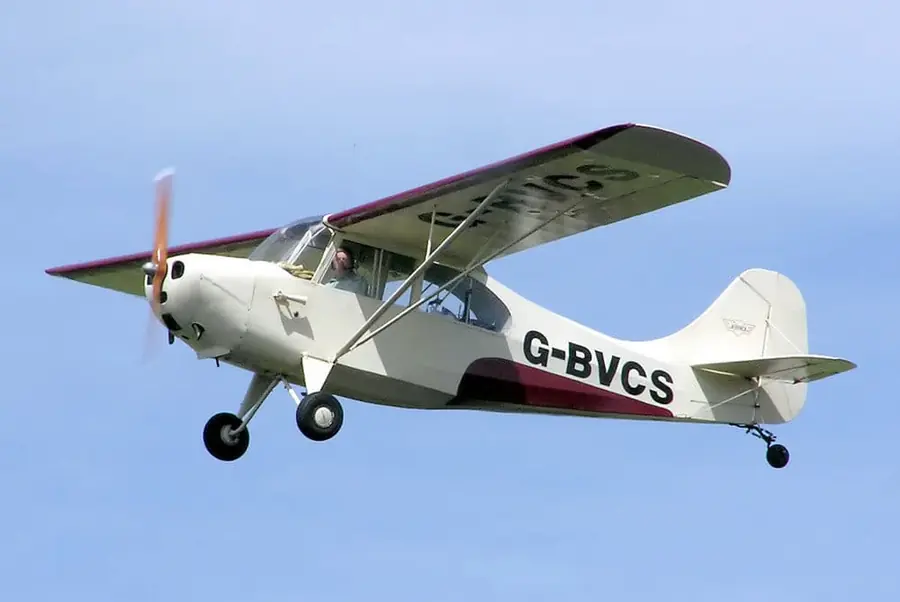
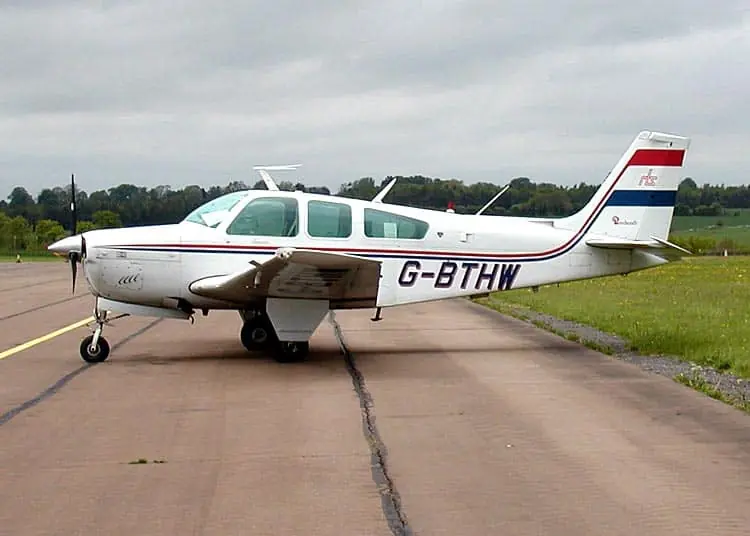
The fastest Cessna in production is the Citation Longitude, with a maximum cruise speed of 483 knots true airspeed, about 556 mph, according to Textron Aviation. The slowest current Cessna is the Skyhawk, at 124 knots, about 143 mph. Everything else sits between them.
Some websites give much higher figures for certain models. The numbers below come from the manufacturer's own specification pages.
Cessna Speeds at a Glance
Maximum cruise speed of current Cessna aircraft, Textron Aviation| Aircraft | Max cruise speed (ktas) | About (mph) | Maximum range | Occupants |
|---|
| Cessna Skyhawk | 124 knots | 143 mph | 640 nm | 4 |
|---|
| Cessna Skylane | 145 knots | 167 mph | 915 nm | 4 |
|---|
| Cessna Turbo Skylane | 165 knots | 190 mph | 971 nm | 4 |
|---|
| Cessna Turbo Stationair HD | 161 knots | 185 mph | 703 nm | 6 |
|---|
| Cessna Caravan | 186 knots | 214 mph | 1,070 nm | 10 to 14 |
|---|
| Cessna Grand Caravan EX | 185 knots | 213 mph | 912 nm | 10 to 14 |
|---|
| Cessna SkyCourier (freighter) | 210 knots | 242 mph | 940 nm | 2 |
|---|
| Cessna SkyCourier (passenger) | 210 knots | 242 mph | 920 nm | 19 |
|---|
| Citation M2 Gen3 | 404 knots | 465 mph | 1,550 nm | 7 |
|---|
| Citation CJ3 Gen3 | 416 knots | 479 mph | 2,040 nm | 9 |
|---|
| Citation Ascend | 441 knots | 507 mph | 1,940 nm | 12 |
|---|
| Citation Latitude | 446 knots | 513 mph | 2,700 nm | 9 |
|---|
| Citation CJ4 Gen3 | 451 knots | 519 mph | 2,165 nm | 10 |
|---|
| Citation Longitude | 483 knots | 556 mph | 3,500 nm | 12 |
|---|
Textron lists maximum cruise speed as true airspeed in knots. One knot is 1.15078 miles per hour, so the mph column is our conversion. Jets reach these speeds at high altitude, and piston aircraft at much lower ones.
Knots, mph and Why the Numbers Differ
The FAA's Pilot's Handbook of Aeronautical Knowledge separates three airspeeds. Indicated airspeed is the direct reading from the airspeed indicator, and manufacturers use it to publish takeoff, landing and stall speeds. True airspeed is calibrated airspeed corrected for altitude and nonstandard temperature, and it is the speed used for flight planning. Groundspeed is the actual speed over the ground, which is true airspeed adjusted for wind. The handbook adds that for a given calibrated airspeed, true airspeed increases as altitude increases, because the air is thinner.
That is why a published top speed depends on where it is measured, and why a headwind or tailwind changes the time a trip takes without changing the airplane. For how these speeds compare with airliners, see our guide to how fast airplanes fly.
The Single-Engine Pistons
The Skyhawk is the slowest and the best known. Textron lists its maximum cruise speed at 124 knots (about 143 mph) and a range of 640 nautical miles. The Skylane is faster at 145 knots (167 mph), and the Turbo Skylane reaches 165 knots (190 mph). The Turbo Stationair HD, a six-seat utility airplane, cruises at up to 161 knots (185 mph). See our cost guides for the Skyhawk and the Skylane.
Older Cessnas were slower or faster by design. AOPA's guide to the 310R, the last and fastest of the piston twins, gives a cruise speed just over 190 knots, which is about 219 mph. See the Cessna 310 guide.
The Turboprops
The Caravan cruises at up to 186 knots (214 mph), and the Grand Caravan EX at 185 knots (213 mph). Their selling point is payload and short-field performance, not speed: Textron lists a 3,305 pound useful load for the Caravan and 3,532 pounds for the Grand Caravan EX. The twin-engine SkyCourier is faster at 210 knots (242 mph), and it is available as a 19-seat passenger aircraft or a freighter. See the Caravan cost guide.
The Citation Jets
The Citation line runs from the M2 Gen3 at 404 knots (465 mph) to the Longitude at 483 knots (556 mph). The CJ3 Gen3 cruises at up to 416 knots, the Ascend at 441, the Latitude at 446 and the CJ4 Gen3 at 451. Longitude range is the longest of the group at 3,500 nautical miles.
The Citation X is the Cessna people usually mean when they say fast. AOPA reported in 2013 that the original Citation X had a maximum cruise speed of Mach 0.92, or 525 knots, and that the upgraded Citation X+ would reach Mach 0.935. Textron said in 2014 that the certified Citation X+ had an "unmatched maximum speed of Mach 0.935" and recorded a maximum speed of 543.9 knots true airspeed on one record flight, about 626 mph. The Citation X+ is not among the models on Textron's current product pages. Some websites quote 717 mph for it, but Mach 0.935 at jet cruise altitudes works out to roughly 600 to 630 mph.
How Cessnas Compare with Airliners
The Longitude is the one Cessna that cruises at jet-airliner speeds, and the airliners are covered in our guide to the types of planes. A Skyhawk, at 124 knots, flies at about a quarter of the Longitude's speed, but it costs a small fraction as much to buy and run. Speed is only part of the picture, and our small plane cost comparison shows what these aircraft cost.
Speed depends a lot on the engine. For how piston, turboprop and jet engines differ, read our guide to the types of aircraft engines.
Frequently Asked Questions
What is the fastest Cessna?
Of the models Textron currently lists, the Citation Longitude, with a maximum cruise speed of 483 knots (about 556 mph). The Citation X+, no longer on Textron's product list, had a maximum speed of Mach 0.935.
How fast is a Cessna 172?
Textron lists the Skyhawk's maximum cruise speed at 124 knots true airspeed, about 143 mph, with a range of 640 nautical miles.
How fast is a Cessna 182?
Textron lists the Skylane at 145 knots (about 167 mph) and the Turbo Skylane at 165 knots (about 190 mph).
How fast is a Cessna Caravan?
Textron lists the Caravan at 186 knots (about 214 mph) and the Grand Caravan EX at 185 knots (about 213 mph).
How fast is the Citation X?
AOPA reported a maximum cruise speed of Mach 0.92 (525 knots) for the original Citation X, and Textron gave the upgraded Citation X+ a maximum speed of Mach 0.935.
How many mph is a knot?
One knot is 1.15078 miles per hour.
Related guides: How Fast Do Airplanes Fly?.
Keep PilotPassion in your Google results
Add us as a preferred source and we are more likely to appear in your Top Stories.